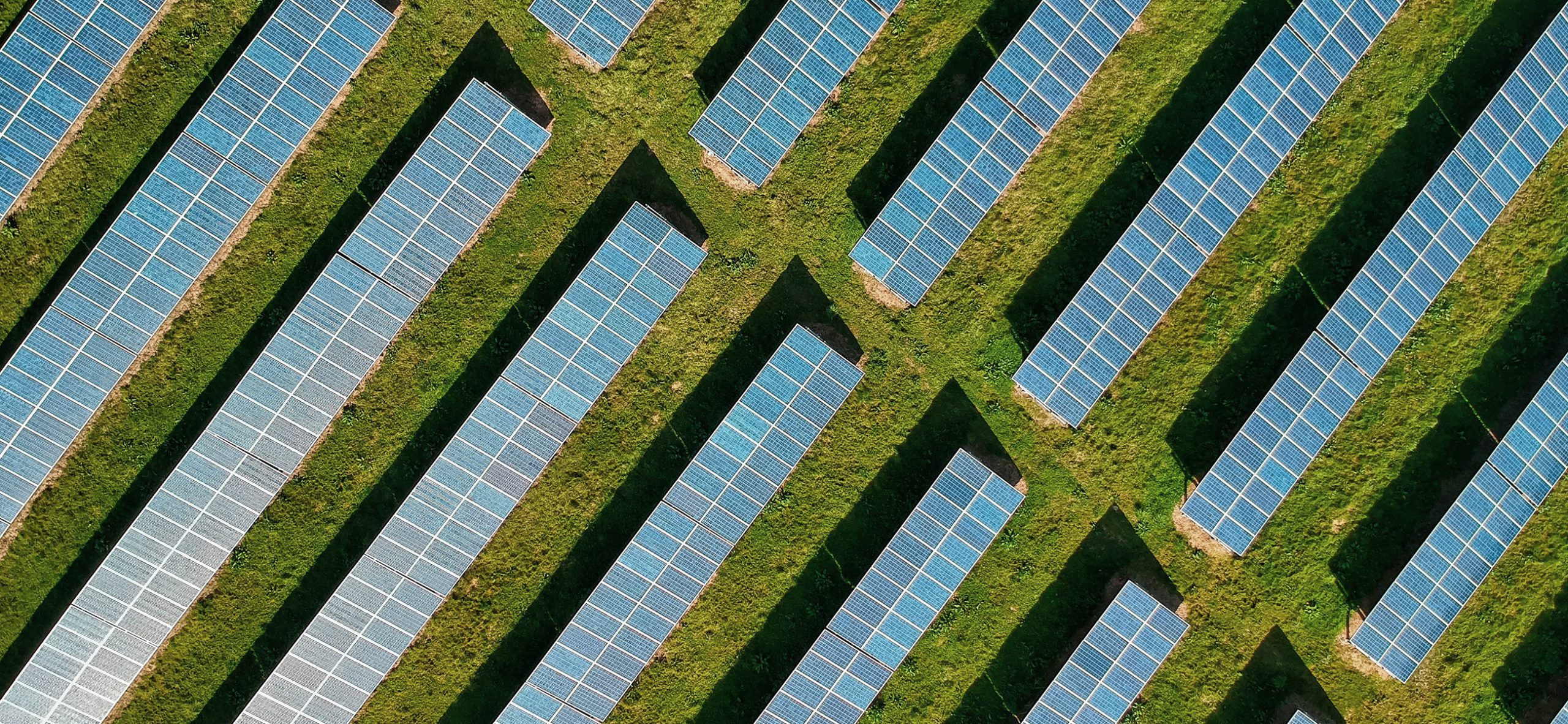
Jilin Gongzhuling
Biomass Generation
The Jilin Gongzhuling Biomass Generation project converts agricultural residues — primarily corn stalks and husks — into clean electricity through direct combustion biomass power generation. The facility is located in Jilin Province, one of China's major agricultural regions, where large quantities of crop residues are available year-round.
What the project does
Instead of leaving agricultural waste to decompose or being burned openly in fields — both of which release CO₂ and methane — this facility collects the residues and uses them as fuel to generate electricity. The electricity is fed into the regional grid, directly displacing coal-fired power generation.
The project is verified under the UN Clean Development Mechanism (CDM), one of the earliest and most established international carbon crediting frameworks, established under the Kyoto Protocol.
Why it matters
China relies heavily on coal for electricity generation. Every megawatt-hour of electricity generated from biomass residues directly offsets coal power and its associated CO₂ emissions. The project also prevents open-field burning of agricultural waste — a common practice that releases particulates, methane, and CO₂.
Co-benefits
- Reduces air pollution from open field burning of crop residues
- Creates local employment in biomass collection and processing
- Supports energy security through domestic renewable generation
- Contributes to rural economic development in Jilin Province
Verification and transparency
This project is registered and verified under the United Nations Clean Development Mechanism. All carbon credits issued are tracked in the UNFCCC CDM registry — publicly traceable and permanently retired on behalf of Green Circle customers.
Your contribution goes to
projects like this.
Certificate, badges, and all assets delivered within 24 hours of payment.